The FESPA Foundation has continued its commitment to Batau Primary School in Limpopo, with a special outreach visit following the Sign Africa and FESPA Africa Expo in Johannesburg. The visit brought together prominent guests and FESPA representatives to witness the Foundation’s ongoing work at the school and mark another step towards improving the learning environment for its pupils.
The outreach formed part of the FESPA Foundation’s continued support for Batau Primary School, following previous initiatives that have included the donation of art and stationery supplies, educational activities and other resources. The event brought together a diverse group of industry professionals, business leaders and representatives from the print and visual communications sectors.
In attendance were members of FESPA, including Neil Felton, CEO, Daniel Sunderland, President, Els Vansteenkiste, Business Development Manager and Paul Noble, FESPA UK President. FESPA Foundation representatives, Steve Thobela, Executive Director, Rabina Banda, Social Media Executive and Ntombi Thobela in Operations. Two trustees from the FESPA Foundation were also there Nicole Spencer Managing Director at RMC Digital Print in the UK and Alinah Fosi CEO of Government Print Works.
The event also welcomed external representatives from Messe Frankfurt South Africa, Kyocera Document solutions and Altra Visual. Other Key external representatives were Midcomp Goodwill Ambassador, Delta Chosi who really got the children excited with some music and dancing. Charnia Yapp from the Sign Africa and FESPA Africa Expo was also in attendance.
The guests were hosted by Batau Primary School Principal, Catherine Kate Mokabane, her teachers, some parents and the 420 pupils.
Continuing The Work At Batau
The visit provided an opportunity for guests to see the school’s needs first-hand and engage directly with its learners, teachers and management. Batau Primary School has previously received support from the FESPA Foundation and industry partners. On this visit soccer balls and stationery supplies were handed over to the school principal.
The FESPA Foundation has also identified the development of five themed classrooms (themes inspired by the Big 5) as an important future project, with the planned classrooms intended to help address the challenges created by classes of more than 60 learners.
Ntombi Thobela said the organisation’s work is rooted in encouraging the printing industry to contribute towards education in communities where support is most needed. ‘Our call to action is to say everybody who is in the industry, let them contribute something towards primary education for children in rural environments where they need the most support.’
A Welcome From The School And Community
The day’s programme began with a welcome assembly involving the school’s principal, management, learners and members of the wider school community. The assembly provided an opportunity for the visiting delegation to engage with the school community and for the school to formally welcome the visitors.
Reflecting on the experience, Sunderland said the visit provided a particularly powerful experience for those who had travelled from different parts of the world. ‘I think that we take more than we give because the love, the warmth, the energy of these children is just outstanding. It’s fantastic.’
Building Towards New Classrooms
One of the key activities of the visit was the plotting and marking of the foundations for new classrooms at the school. The activity represented a tangible step towards the FESPA Foundation’s plans to improve the school’s infrastructure and create additional learning spaces for its pupils.
Steve Thobela explained that the FESPA Foundation’s work had developed beyond its original concept of repurposing printed material for educational use. ‘But then when we came to the schools, we found out that they need other things. And so here we are, helping and trying for the schools to be better.’
The need for additional classrooms was also highlighted by Jabulile Mndebele, a parent from Batau Primary School, who said the number of learners in existing classrooms remained a concern. ‘I would like if FESPA Foundation can help us to find more classes. More classes. Because our children, there are just too many of them crammed into one class.’
Yapp said the marking of the new classrooms represented an exciting stage in the Foundation’s work. ‘We marked where the new classrooms are going to be, and it’ll be really great if more companies in our industry could get behind the FESPA Foundation,’ remarked Yapp. The classroom development builds on the Foundation’s longer-term commitment to Batau Primary School and its aim of creating meaningful, practical improvements rather than providing one-off support.
Planting Symbolic Trees
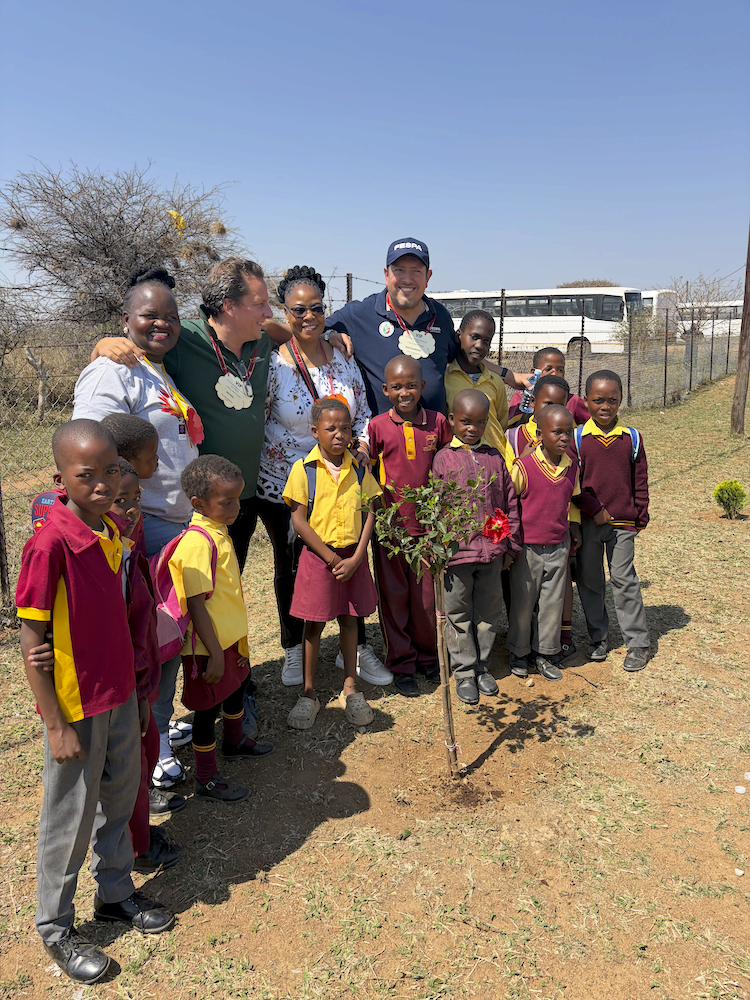
The delegation also took part in the planting of a symbolic tree at the school. Steve Thobela added that in Africa, almost everything has symbolic undertones. Stating, ‘When you plant this tree, people far into the future will sit in its shade. Mirroring the impact that we as a foundation are having on the lives of the student in the present and the many students who will pass through this school.’
The trees planted provided a visual representation of the ongoing relationship between the Foundation and Batau Primary School, with the initiative reflecting the longer-term nature of the Foundation’s involvement with the school.
Gifts And Engagement With Learners
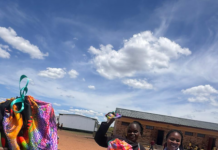
The visit also included the handing over of gifts to learners, giving visitors an opportunity to interact directly with the pupils. Tsheshi was among those engaging with the learners during the visit. She described the initiative as an opportunity not only to provide practical support, but also to make the children feel valued.
‘This initiative is not only going to change lives, it’s going to make each and every individual livingin this space feel like they are somebody, because we need that. We need people that feel seen, heard, loved, and appreciated,’ said Tsheshi. The interaction continued the Foundation’s focus on supporting learners while creating opportunities for the wider FESPA community to experience the impact of its outreach work.
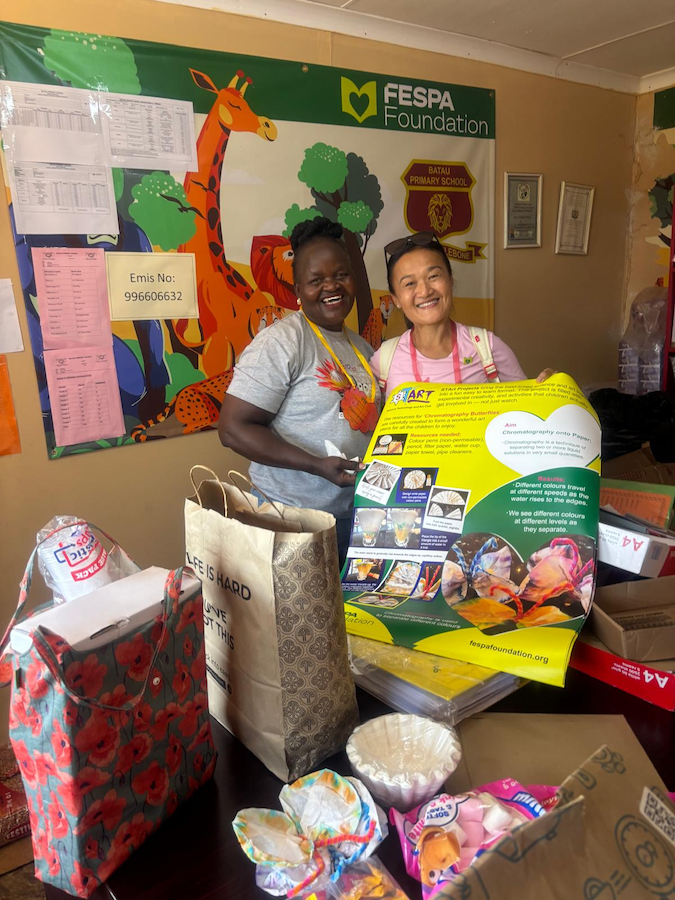
Anne Lee-Noble, an educator and scientist from STArt Projects, had raised funds by baking and selling cakes. ‘My passion is to enable every child to be involved. This will cover the cost of resources for all the children at Batau Primary to make a beautiful STEAM project … a Chromatography Butterfly.’
From The Expo To The School
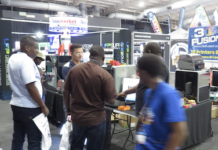
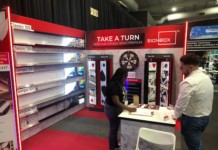
The outreach took place immediately after the Sign Africa and FESPA Africa Expo in Johannesburg, providing a connection between the industry gathering and the FESPA Foundation’s work on the ground.
While the expo brings together professionals from across the signage, digital printing, textile and visual communications industries, the Batau visit offered visitors an opportunity to see another side of the wider FESPA Foundation’s activities.
For Yapp, the connection between the expo and the school was particularly striking. ‘To see the expo this week, where many of our exhibitors were printing for the schools, and now to be at the school, is very special to witness first hand the recipients of Print For Good.’
The difference was made even more apparent by the materials currently available to learners in the classrooms. ‘There’s some posters in the classroom that are torn A4 pages printed in black and white, and you can clearly see how our exhibitors could help by printing what is needed by the schools at the show,’ concluded Yapp.
For the FESPA Foundation, the connection between the expo and the outreach is central to its Print for Good initiative. Thobela explained that the expo provides an opportunity to engage directly with the industry. Thobela continued, ‘At Sign Africa, the expo team have created a space where exhibitors can network with one another. They can grow themselves. But now we’re saying, can we do something to grow our communities?’
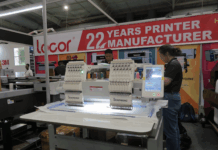
The initiative also saw exhibitors at the expo responding directly to the FESPA Foundation’s call for support. Vansteenkiste said, ‘We got immediate action, and that was really, really nice to feel and to see that people really start thinking.’ She said exhibitors began printing educational material for the schools during the expo, with the foundation collecting the material at the end of the week.
While the expo brings the industry together to network and do business, the FESPA Foundation’s message is that the capabilities and materials of the industry can also be used to support communities.
‘Instead of that becoming garbage, we will reuse it and use it at schools and print world maps and arithmetic tables or chemistry tables and put them in the classrooms. This represents another way in which FESPA can give back to the industry and the communities connected to it,’ explained Sunderland. ‘Every penny spent in FESPA is a penny that goes back to the industry.’
Looking Ahead
The visit marks another stage in the FESPA Foundation’s ongoing relationship with Batau Primary School. With the development of new classrooms remaining a key project, the Foundation’s work at the school is set to continue.
Vansteenkiste believes there is a significant opportunity for companies within the printing, packaging and signage industries to become involved. ‘You print every day. You have materials that can help. And if you just do something, a little bit, you can help so many people.’
The message is one of participation, with the FESPA Foundation encouraging companies to consider how their existing capabilities and resources can contribute to education. The visit ultimately highlighted the practical impact that continued industry support can have beyond the exhibition floor. Helping to create better facilities, provide resources and give learners at Batau Primary School greater opportunities.
FESPA Foundation
fespafoundation.org