According to Liezle Barrie, National Sales Manager Consumables at Intamarket Graphics, one of the most common conversations in the signage industry usually starts with a very simple sentence, ‘But the colour looked different on the sample.’ And honestly? They are often right.
Colour matching in signage is far more complicated than most people realise. What may look like a perfect match in one environment can suddenly appear completely different once installed on site, illuminated at night, printed onto another material, or viewed from a different angle.
The reality is that in signage, colour is not just colour. It is affected by lighting, substrate, texture, gloss level, translucency, print technology, surrounding colours and even the environment the sign is viewed in.
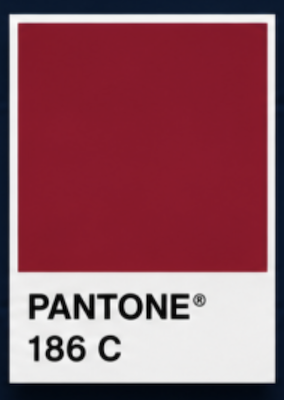
The same Pantone reference can behave very differently depending on how and where it is applied. And what people often misunderstand is that Pantone is not magic, it is a reference system, not a guarantee that every material or process can reproduce it perfectly.
This is often where frustration starts. A colour can be approved on a swatch, matched in a print room and still appear different once installed. Not because anyone got it wrong, but because the environment, material and viewing conditions have changed.
One of the biggest factors is lighting. A colour viewed under office lighting may look completely different outdoors in natural sunlight. Warm white LEDs can shift colours differently to cool white LEDs
Illuminated signage introduces another layer of complexity entirely. In fact, translucent signage is almost its own science. Unlike most signage where light reflects off the surface, translucent films allow light to pass through the material. This changes how the eye perceives colour and can create dramatically different results between day and night viewing. This is why a sign that looked perfect during the day can suddenly appear slightly different at night.
Anyone who has worked with illuminated signs knows the challenges: colours appearing washed out at night, hotspots from LEDs, uneven illumination, different brightness levels across a sign face, colours changing dramatically once illuminated.
The sign you see during the day is often not the same sign you see after dark.
The substrate itself also plays a major role. The same colour applied onto ACM, acrylic, flex face, painted surfaces or different vinyl finishes can create noticeably different visual results. Matt surfaces absorb light differently to gloss finishes, and textured materials scatter light in ways that can subtly alter the perception of colour.
Even something as simple as changing from a gloss laminate to a matte laminate can affect how a colour appears.
Printed colour versus manufactured coloured vinyl is another area where expectations and reality often collide.
A digitally printed colour is created using combinations of inks such as CMYK, while coloured vinyl is manufactured as a solid pigmented material. Even when both are matched to the same Pantone reference, they may still appear different because they are fundamentally different technologies producing colour in different ways. One is created by mixing tiny dots of ink to achieve the desired colour, while the other is manufactured as a coloured material from the start.
Environmental factors also play their part over time. UV exposure, weather, heat, pollution and cleaning chemicals can all affect how colours age. Different materials weather differently, which means two materials that matched perfectly on day one may not age at exactly the same rate over several years.
And this is where one of the biggest misconceptions in signage comes in: sometimes the goal is not a perfect colour match, but rather a visually consistent result in the real world.
That often requires collaboration between designers, printers, converters, installers, suppliers and clients to understand the final application, lighting conditions, viewing distance and intended lifespan of the signage.
Samples, test prints and real-world mockups become incredibly important, especially on high-end corporate branding projects, fleet applications and illuminated signage.
Colour matching in signage is part science, part engineering and part perception.
And sometimes the ‘wrong’ colour on paper ends up being the right colour once installed in the real world.
C1W Initiative
Change 1 Woman (C1W) aims to empower women in the branding, print and signage industries. As part of this initiative, Sign Africa would like to spotlight women-focused content like this piece. If you have any trend/business articles related to the signage, branding and printing industries, please email content to: meggan@practicalmedia.co.za. Follow C1W on Facebook and LinkedIn for more updates.
|
LOCAL DISTRIBUTOR |